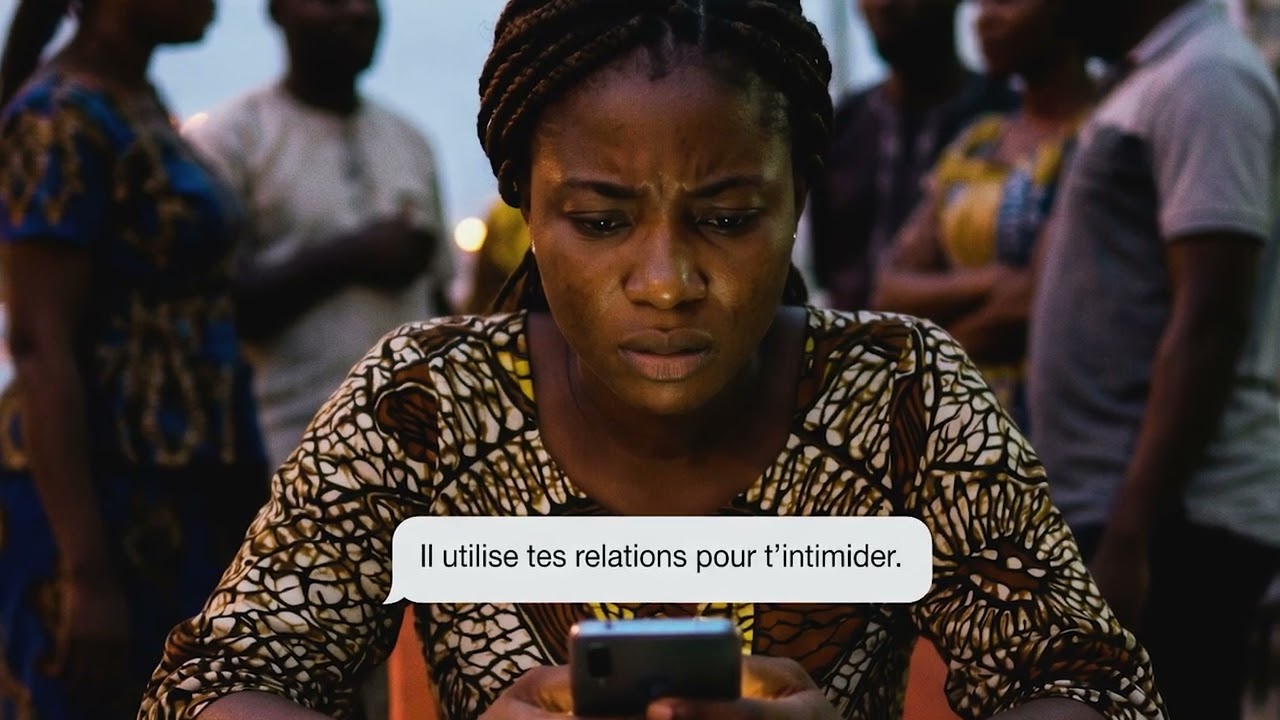
“If you don’t pay, everyone will see these photos.”
“It’s your fault, you’re the one who sent them.”
These phrases are weapons aimed at dignity. Digital blackmail doesn’t rely on force, it relies on fear, shame and isolation, three levers that lose all their power as soon as they are named.
This capsule details these three manipulative pillars: paralysing urgency, with messages like “reply now”, “you have one hour”, to stop you from breathing and thinking; shame as a shield, when the abuser turns social codes around to make you believe that speaking out will expose you more than silence; and the false promise that a transfer would make everything disappear, when money never deletes the images and funds the next threat.
The blackmailer only has power as long as the victim believes she is alone and guilty. As soon as the secret is broken, his power collapses. If you are a victim: breathe and slow down, never give in to the manufactured urgency, never pay, reject the guilt (the law punishes the blackmailer, not the victim), and speak up and report. Blackmail thrives in the shadows, it dies out in the light.
This is an initiative of Women EdTech, supported by CARE Benin/Togo and funded by the French Development Agency (AFD), as part of the Digital Safe Space sub-project, phase 2 of the Féministes en Action programme (FeA2).